


How digital platforms are changing the way fans experience sport
share on
For a long time, watching sports was fairly simple. Fans bought a ticket, turned on the television or checked the score the next morning. Today, that feels almost old-fashioned. A football match, tennis final or NBA game is no longer just a broadcast. It is a live conversation, a data feed, a highlights engine, a social media event and, increasingly, an interactive experience that follows fans across multiple screens.
This shift is not just about technology for technology’s sake. It reflects how modern fans behave. Many no longer sit through a full match without checking another app, looking up player stats, watching a replay, messaging friends or following live commentary.
Multiple sports surveys have found that more than a quarter of sports fans use multiple devices while watching sport, often to follow updates from other games or access related content. For sports media companies, leagues and platforms, this means the battle is no longer only for viewers. It is for attention across the entire matchday experience.
The biggest change in sports engagement is that the live match has become the centrepiece of a much wider digital ecosystem. Fans still care about the final score, but they now expect context before, during and after the game. They want team news before kick-off, instant reactions during play, tactical breakdowns at half-time, short-form clips within minutes and post-match analysis that feels sharper than a standard recap.
Football offers one of the clearest examples. The Premier League’s five-year partnership with Microsoft is designed to personalise how fans engage with the league through its app and website, using decades of match data, articles and videos to deliver richer digital experiences. That is important because Premier League fandom is no longer limited by geography.
A Liverpool fan in Singapore, an Arsenal fan in Jakarta or a Manchester United fan in Lagos may never attend a match in England, but they can still follow every transfer rumour, injury update, tactical debate and fixture narrative in real time. In this environment, the club or league that controls the digital relationship gains something more valuable than a single broadcast window. It builds daily relevance.
Second-screen viewing is now normal behaviour
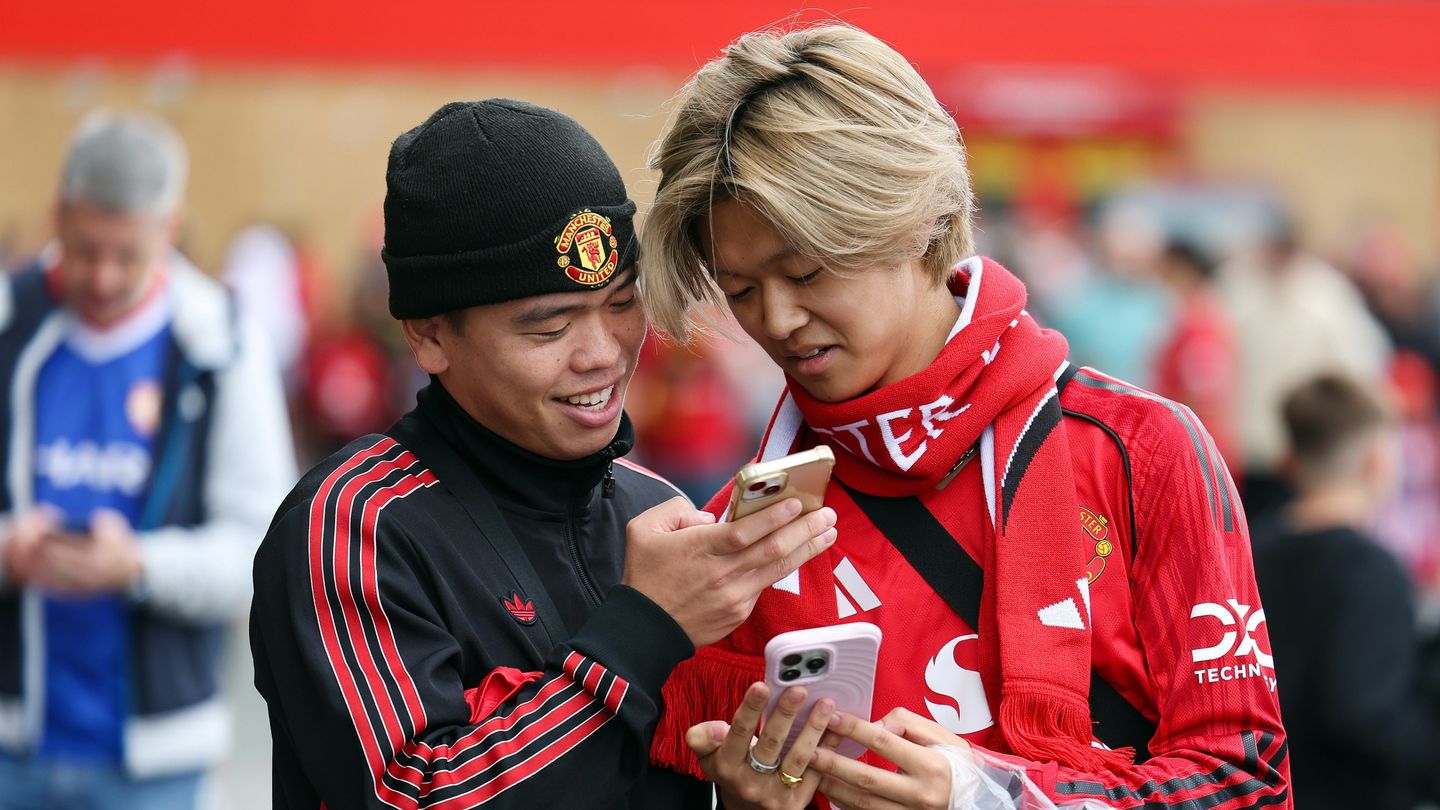
The so-called second screen used to be treated as a distraction. Now, it is part of how many fans watch sports. A viewer may have the match on television while using a phone to track live stats, check fantasy points, message friends, follow fan accounts or look up a controversial refereeing decision.
This is not limited to younger fans, although younger audiences have accelerated the habit. The modern sports viewer is often active rather than passive. They do not simply watch what is placed in front of them. They build their own layer of information around the game.
That creates new pressure for broadcasters and sports platforms. If they do not provide useful second-screen features, fans will find them elsewhere. Live commentary, player heat maps, win probability models, injury updates, instant clips and tactical threads all compete for attention. The winning platforms will be those that make the second screen feel useful rather than noisy.
Sport is turning data into a better fan experience
Tennis shows how digital tools can help make a sport more accessible without stripping away its character. For casual viewers, tennis can be difficult to read. A scoreboard tells you who is leading, but it does not always explain momentum, pressure or tactical changes. A player may be down a set but starting to dominate longer rallies. Another may be serving well but losing control of return games. This is where real-time insights matter.
Wimbledon’s work with IBM, including features such as 'Match Chat' and 'Live Likelihood to Win', reflects a broader shift in how tennis is being presented to fans. The US Open has also introduced digital tools such as live win probabilities, interactive match chat and AI-generated commentary for highlight videos. Together, these features help viewers understand not just what is happening, but why it matters.
For a sport built on small margins, that can deepen engagement. A break point becomes more than a number on the scoreboard. A change in first-serve percentage, rally length or return position can become part of the story. The fan becomes more informed, and the match becomes more layered.
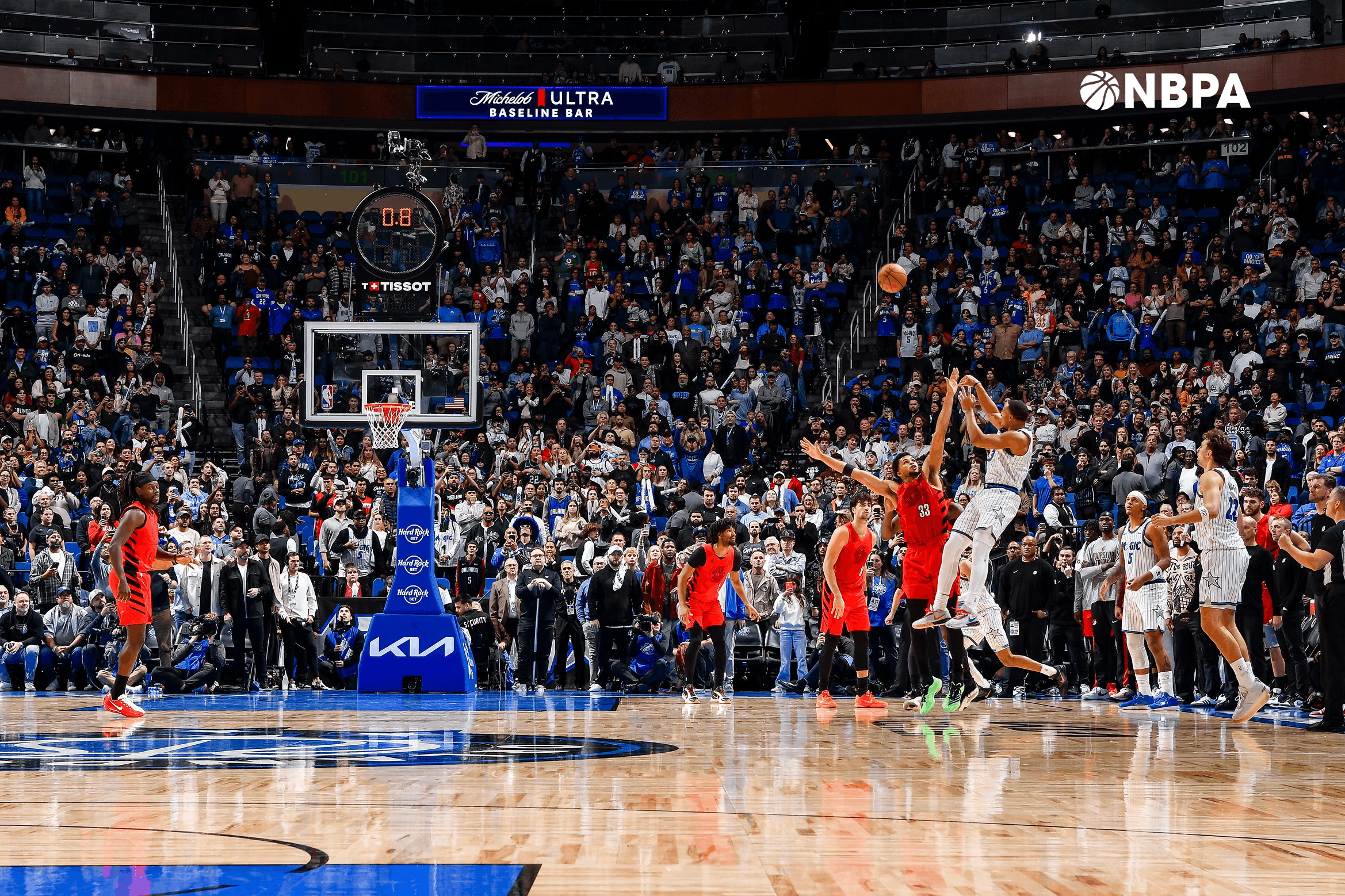
Meanwhile, basketball has always been suited to digital engagement because it moves quickly and produces constant statistical signals. Every possession can shift momentum. Every substitution can change spacing, pace and defensive matchups. For fans, this makes real-time data especially valuable.
The NBA has leaned heavily into this. Its app is no longer just a place to watch games. It is a content platform with live games, original programming, highlights, behind-the-scenes access and personalised experiences. Its partnership with AWS to support NBA Inside the Game also points to where basketball coverage is heading, with player and game data being turned into real-time insights across broadcasts, the NBA app, NBA.com and social channels.
Prime Video’s NBA coverage shows a similar direction. Features such as rapid recaps, key moments, advanced stats and customisable multiview reflect a new kind of sports broadcast, where fans can shape how they watch. Someone joining late can catch up quickly. A stats-heavy viewer can go deeper. A casual fan can follow the main game without feeling lost. The result is a more flexible viewing experience. The same game can serve different kinds of fans at the same time.
Interactive platforms changing how fans follow momentum
One of the clearest signs of this shift is the rise of platforms that help fans follow games in real time, rather than simply watch them. This includes sports apps, fantasy platforms, social media feeds, prediction tools and sports betting platforms. While these services serve different purposes, they reflect a broader change in fan behaviour: viewers increasingly want access to live context, evolving match narratives and real-time information alongside the main broadcast.
The key point is that interactivity is changing the rhythm of watching sport. A neutral football match can become more engaging when fans are tracking tactical shifts, substitutions or live probabilities. A basketball game can feel more dynamic when viewers are following injury updates or quarter-by-quarter momentum. A tennis match can become more involved when fans are watching service patterns or pressure points evolve in real time. Across the wider sports ecosystem, second-screen tools are giving fans more ways to understand how a game is unfolding from start to finish.
The key point is that interactivity changes the rhythm of watching sport. A neutral football match can become more engaging when fans are tracking tactical shifts or live probabilities. A basketball game can feel more dynamic when viewers are following player props, injury updates or quarter-by-quarter momentum. A tennis match can become more involved when fans are watching service patterns or pressure points evolve in real time. Used responsibly, these platforms can function as second-screen companions, giving fans more reasons to stay engaged from start to finish.
That said, the temptation for sports organisations is to assume that more engagement means more content, more push notifications, more clips, more graphics, more polls and more dashboards. That is not always what fans want. A crowded digital experience can easily become tiring, especially during live sport when emotion and attention already move quickly. The best platforms do not simply add more information. They help fans make sense of the moment.
A good second-screen experience answers natural questions. Why did the coach make that substitution? How has the player performed under similar pressure before? What does this result mean for the table? How has momentum changed since half-time? What did I miss in the last ten minutes? The goal should be clarity, not clutter.
The future belongs to sports ecosystems
The next phase of sports fan engagement will not be defined by one app, one broadcast feature or one social platform. It will be shaped by how well the live event, data layer, content engine and fan community work together.
Football will continue to build global digital communities around clubs and leagues. Tennis will use real-time intelligence to make matches more understandable and immersive. Basketball will push further into interactive broadcasts, advanced stats and personalised viewing. Across all sports, fans will expect faster access, richer context and more control over how they follow the action.
The common thread is simple: fans no longer want to be treated as spectators only. They want to participate, interpret, react and personalise the experience. The sports organisations and platforms that understand this will not just broadcast matches. They will build living digital ecosystems around them.
This article was written by Surabhi Pandey, content lead, SEA, SYNC PR.
share on

Free newsletter
Get the daily lowdown on Asia's top marketing stories.
We break down the big and messy topics of the day so you're updated on the most important developments in Asia's marketing development – for free.
subscribe now open in new window